
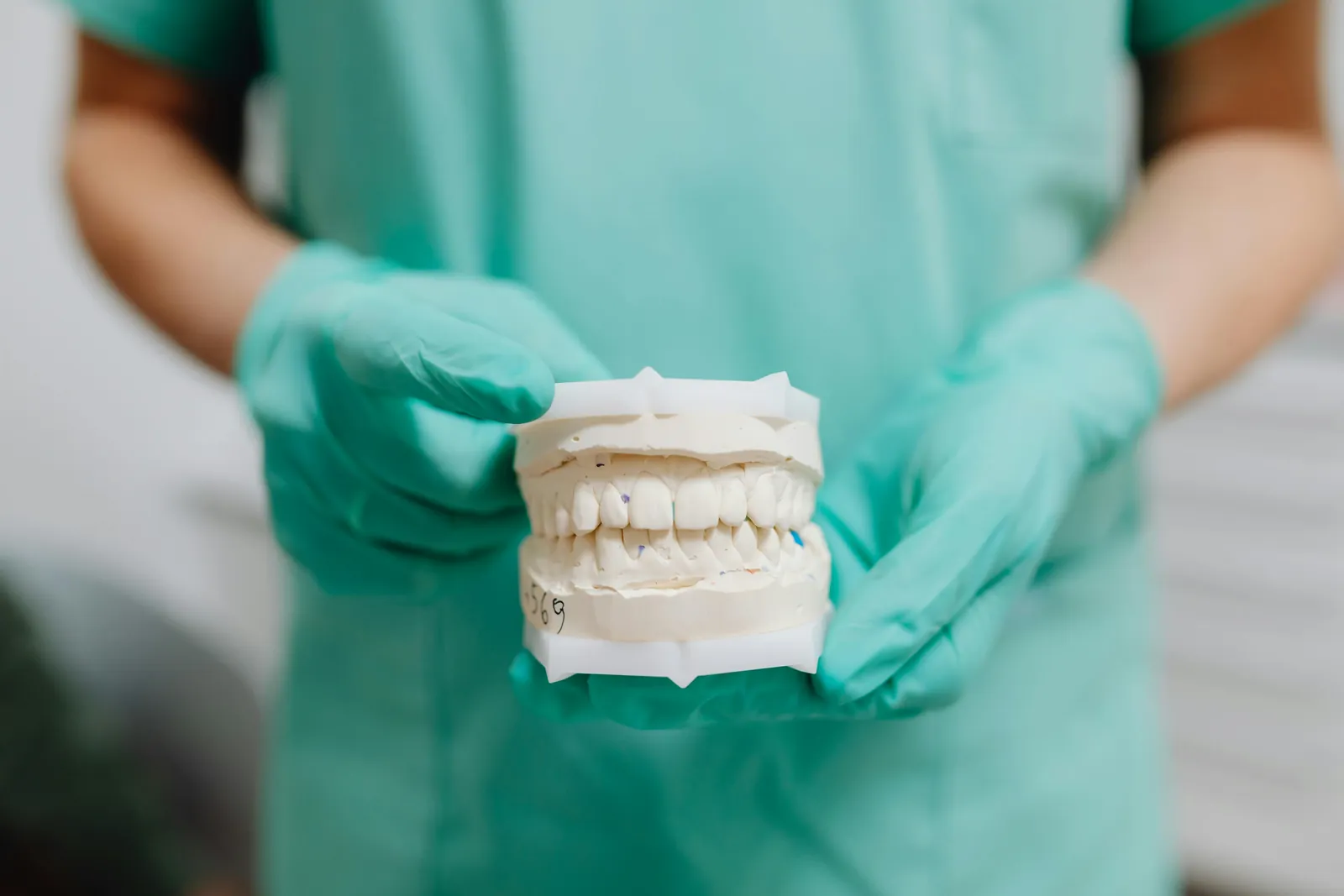
Loud snoring can disrupt your sleep and your partner's, and in some cases it's a sign of obstructive sleep apnea, a condition where the airway repeatedly narrows or closes during sleep. A custom oral appliance made by your dentist is one way to help keep the airway more open at night.
Dr. Kevin Barajas is a member of the American Academy of Dental Sleep Medicine and works with patients who snore or who have been diagnosed with sleep apnea.
Good to know
- Follow-up
- Follow-up visits fine-tune the fit
- Insurance
- Sometimes covered by medical rather than dental insurance
Signs you may have a sleep-related breathing problem
Talk with your dentist or physician if you or your partner notice:
- Loud, frequent snoring
- Pauses in breathing, gasping, or choking during sleep
- Waking up with a dry mouth, sore throat, or headache
- Daytime sleepiness or trouble concentrating
- Teeth grinding, which sometimes occurs alongside sleep-disordered breathing
Diagnosis comes first
Sleep apnea is a medical condition that must be diagnosed by a physician, typically with a sleep study. Snoring on its own doesn't always mean sleep apnea, but it can be a sign, so it's worth checking.
If you've been diagnosed with sleep apnea, an oral appliance may be one of the treatment options your physician considers, particularly for mild to moderate cases or for patients who have trouble using a CPAP machine. We work in coordination with your physician's diagnosis and recommendations rather than in place of them.
How an oral appliance works
A sleep appliance looks similar to a mouthguard and is worn only while you sleep. It gently holds your lower jaw and tongue slightly forward, which can help keep the airway from collapsing and reduce snoring.
Each appliance is custom-made from impressions or scans of your teeth so it fits securely and comfortably. After you receive it, follow-up visits let us adjust the fit and check how it's working, and your physician may recommend follow-up testing.
Living with your appliance
Some people notice mild jaw or tooth soreness when they first start wearing an appliance. This usually improves as you get used to it. Clean your appliance daily as instructed, bring it to your regular checkups, and let us know if your bite feels different.
If your main concern is grinding or clenching rather than snoring, a night guard may be the more appropriate appliance.
Why sleep quality matters
Restful sleep affects how you feel and function during the day. Untreated sleep apnea has been associated with daytime fatigue and other health concerns, which is why it's important to have symptoms evaluated by your physician rather than simply putting up with snoring.
Even when snoring isn't caused by sleep apnea, it can disrupt your sleep and the sleep of anyone sharing your room. If your physician has ruled out sleep apnea, an oral appliance may still be an option to help reduce snoring. Your dentist will review your health history and talk with you about whether an appliance makes sense for you.
Questions