
Our goal is always to save natural teeth whenever we reasonably can. Sometimes, though, a tooth is too damaged, infected, or crowded to keep, and removing it is the healthiest choice for the rest of your mouth.
At Smile Innovations of Fairfield, extractions are performed under local anesthesia so the area is fully numb. If you feel anxious about dental treatment, we also offer sedation options to help you relax.
Good to know
- Comfort
- The area is numbed; sedation is available if you're anxious
- Recovery
- Most people feel comfortable within a few days
Why a tooth may need to be removed
Your dentist will recommend an extraction only after examining the tooth and discussing your options. Common reasons include:
- Severe decay that has destroyed too much of the tooth to repair
- A tooth that is cracked below the gum line
- Infection that cannot be treated with a root canal
- Advanced gum disease that has loosened the tooth
- Crowding, or a tooth that is blocked from coming in properly
- Baby teeth that have not fallen out on their own
What to expect during your extraction
Before treatment, your dentist reviews your health history and medications and takes any X-rays needed to see the tooth and its roots. The area is then numbed with local anesthesia. During the extraction you may feel pressure, but you should not feel sharp pain. If you do, let us know and we can give you more anesthetic.
Once the tooth is removed, gauze is placed over the site to help a blood clot form. That clot is an important part of healing, so we'll go over exactly how to protect it before you leave.
Recovery and aftercare
Most patients feel back to normal within a few days. Some swelling, tenderness, and minor bleeding in the first day or two is normal. To help the area heal:
- Bite gently on gauze as directed and rest for the remainder of the day
- Avoid spitting, rinsing forcefully, smoking, and drinking through a straw for the first few days
- Stick to soft foods and chew on the other side of your mouth
- Use a cold compress on the outside of your face to reduce swelling
- Take any recommended pain relievers as directed
Planning to replace the tooth
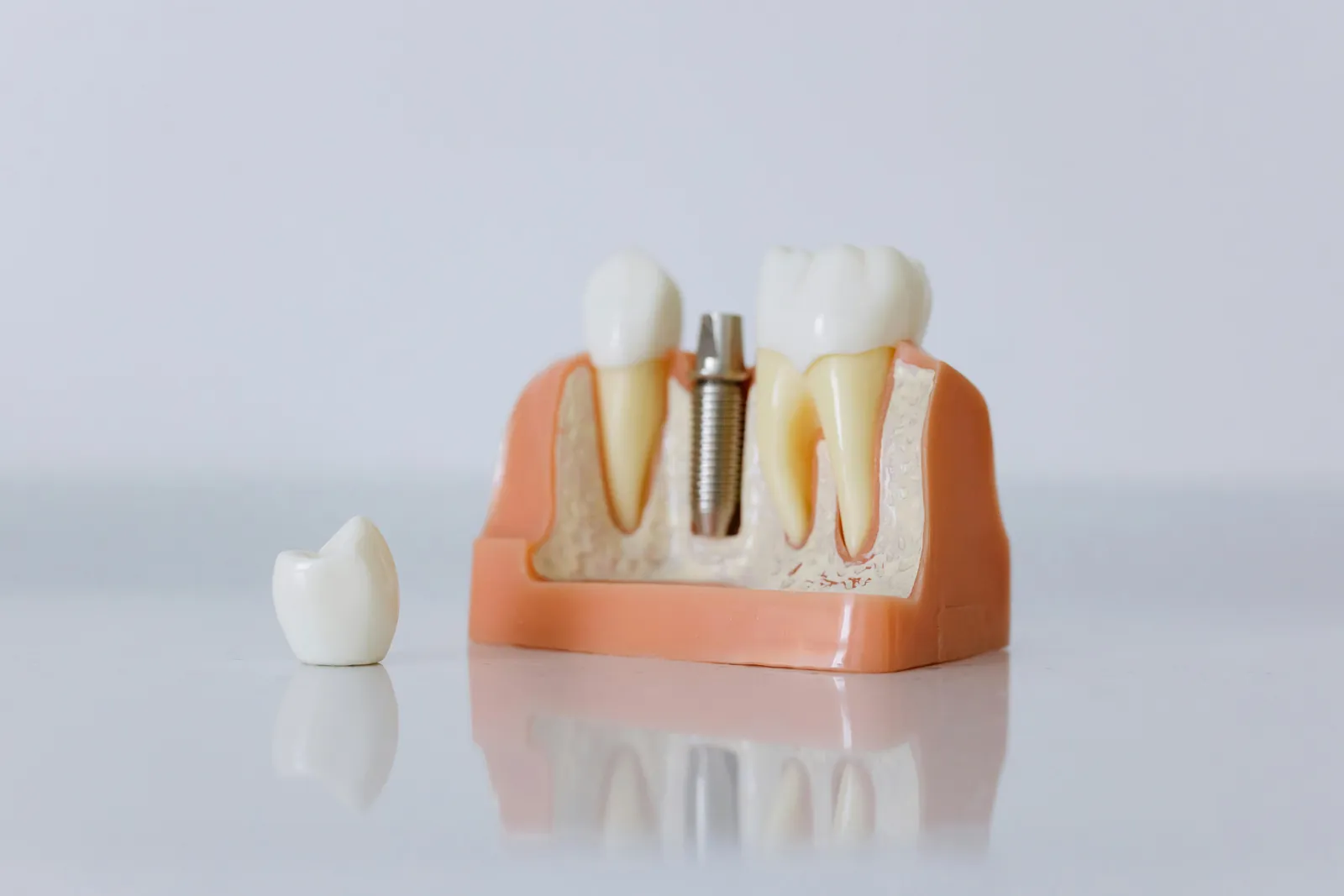
When a tooth is lost, the teeth next to it can drift and your bite can change over time. Depending on where the tooth was, your dentist may recommend replacing it with a dental implant, a bridge, or a denture. We'll talk through the pros and cons of each so you can choose what fits your needs.
If you have a painful or broken tooth that needs prompt attention, visit our emergency dental care page or call us.
When to call us after an extraction
Healing is usually straightforward, but call our office if you have bleeding that doesn't slow down with steady pressure, swelling that gets worse after the third day, fever, or pain that increases instead of improving. These can be signs that the site needs to be checked.
Questions
Tooth Extractions: frequently asked questions
Does a tooth extraction hurt?
Can I be sedated for an extraction?
How long does it take to heal after an extraction?
What is a dry socket?
Do I need to replace a tooth after it's removed?
From our blog
- Dental Implant vs. Bridge: Which Is Better?
Understanding the Pros, Cons, and Key Differences to Help You Choose the Right Tooth Replacement
- Sedation Dentistry: What It Is, How It Works, and Who It's For
Relax, Feel Comfortable, and Get the Dental Care You Need—Without the Stress