
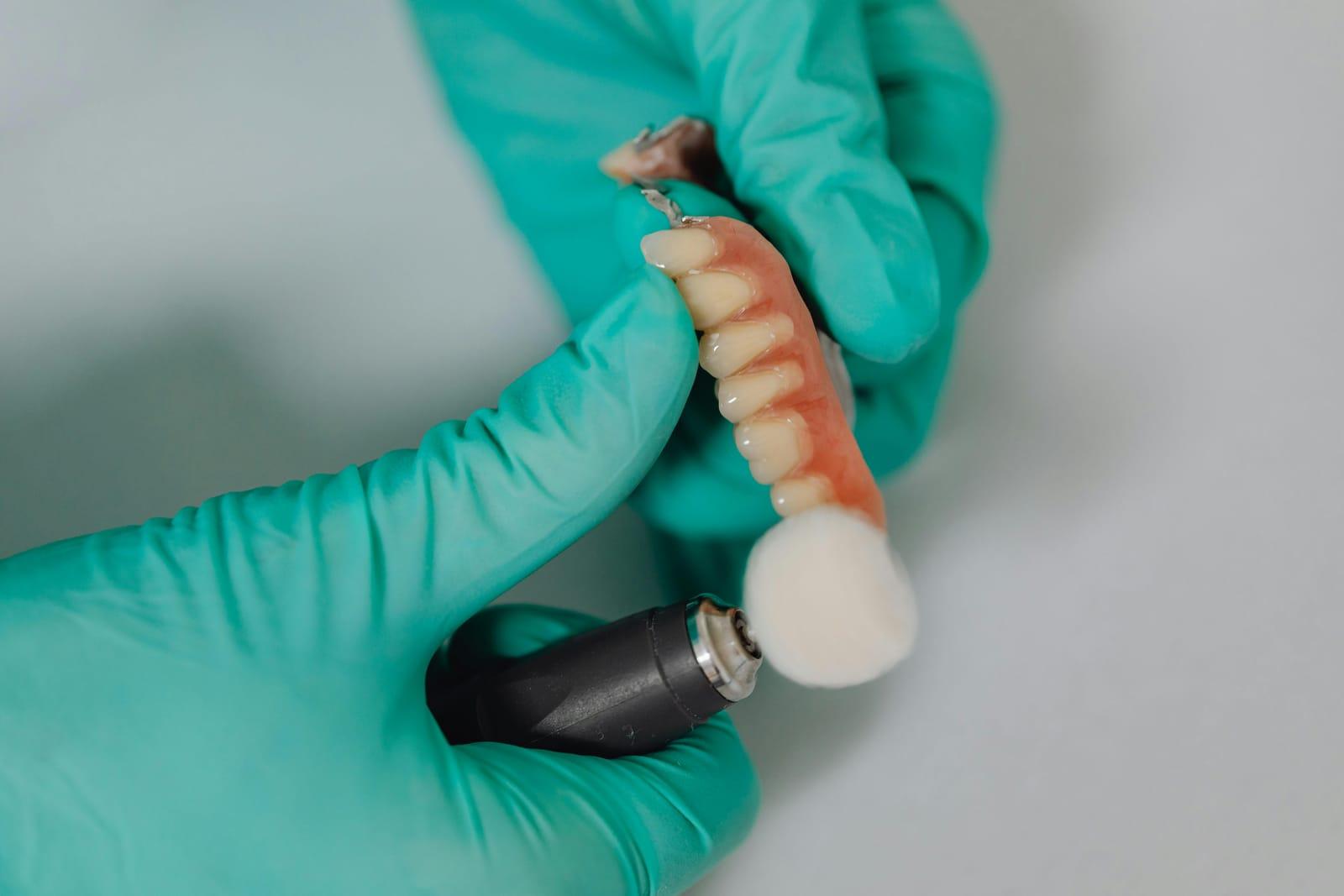
Dentures are removable replacements for missing teeth. Whether you're missing a few teeth or a full arch, a well-made denture can restore your ability to chew and speak comfortably and give you a full, natural-looking smile again.
At Smile Innovations of Fairfield, dentures are designed to fit your mouth for proper function and comfort. We also stay with you after your dentures are delivered, with adjustments, home-care guidance, and periodic denture checkups.
Good to know
- Adjusting
- Many people adjust within a few weeks
- Fit
- We adjust or reline them as your mouth changes
- Insurance
- Many PPO plans cover part
Types of dentures
The right type of denture depends on how many teeth you're missing and the health of the teeth and gums that remain:
- Full dentures replace all of the teeth in the upper or lower jaw and rest on the gums.
- Partial dentures replace several missing teeth and clip onto your remaining natural teeth, which also helps keep those teeth from shifting.
- Implant-supported dentures snap onto or attach to dental implants for added stability. Learn more about dental implant restoration.
Benefits of dentures
Replacing missing teeth with dentures can make it easier to chew a wider variety of foods, help you speak more clearly, and support your lips and cheeks so your face doesn't look sunken. For many patients, the biggest change is simply feeling comfortable smiling again.
Getting your new dentures
The process starts with an exam to check your gums, any remaining teeth, and the shape of your jaw. If any teeth need to come out first, your dentist will talk through that step, including tooth extractions and how long healing typically takes.
Impressions and measurements are then taken so your dentures can be made to fit your mouth. You'll have a chance to check the fit, bite, and appearance before the final dentures are completed. After delivery, it's normal to need a few small adjustments as your mouth gets used to them.
Adjusting to life with dentures
New dentures take some getting used to. It may feel like your mouth is full, and you may notice extra saliva or minor sore spots at first. Starting with soft foods cut into small pieces and practicing speaking aloud can help. If a spot stays sore, call us. A quick adjustment usually solves it.
Caring for your dentures
Remove and rinse your dentures after eating, brush them daily with a soft brush and a non-abrasive denture cleaner, and keep them moist when you're not wearing them. Clean your gums, tongue, and any natural teeth every day as well.
Handle dentures over a folded towel or a sink of water so they won't break if dropped, and avoid hot water, which can warp them.
Over time your gums and jawbone naturally change shape, which can make dentures loosen. That's why we recommend periodic visits for denture cleanings and fit checks, so we can reline or adjust them as needed.
Questions
Dentures: frequently asked questions
How long does it take to get used to dentures?
Can I eat normally with dentures?
Should I sleep with my dentures in?
What if my dentures feel loose?
Are dentures covered by insurance?
From our blog
- Dental Implant vs. Bridge: Which Is Better?
Understanding the Pros, Cons, and Key Differences to Help You Choose the Right Tooth Replacement