
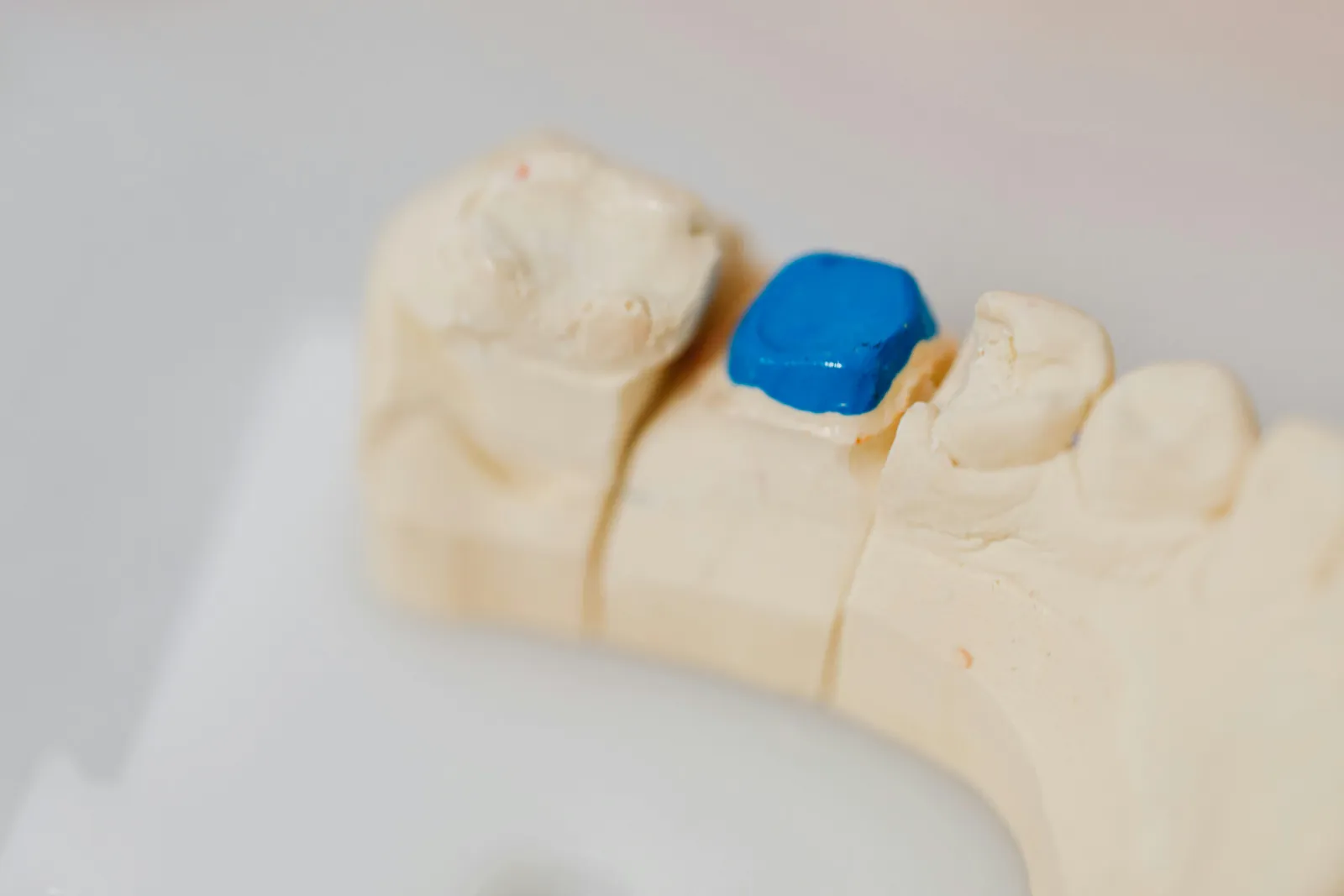
When a cavity is caught early, a filling is usually all it takes to stop the decay and restore the tooth. At Smile Innovations of Fairfield we use composite fillings, a tooth-colored mixture of resin and fine glass particles that is shaded to match your natural teeth.
Because composite bonds directly to the tooth, it can often be placed while removing less healthy tooth structure. The result is a repair that looks like part of your tooth rather than a dark spot.
Good to know
- Lasts
- Many years with good care
- Afterward
- Some sensitivity for a few days is common
- Insurance
- Many PPO plans cover part
When you might need a filling
Fillings repair small to moderate damage to a tooth. Your dentist may recommend one for:
- A cavity found during your exam or on X-rays
- A small chip or crack in a tooth
- An old filling that is worn, leaking, or broken
- Worn areas near the gumline that are sensitive
- Cosmetic touch-ups to reshape or cover discoloration on a tooth
What to expect at your appointment
First, the area is numbed so you stay comfortable. The decayed or damaged part of the tooth is removed and the tooth is cleaned. The composite is then applied in thin layers, each one hardened with a special curing light.
Once the tooth is rebuilt, it's shaped and polished, and your bite is checked so the filling feels natural when you chew. Most fillings are completed in a single visit, and you can usually return to normal activities right away. Your lip and tongue may stay numb for a few hours, so take care not to bite them.
When a filling isn't enough
If decay or a crack is too large, a filling may not be strong enough to hold the tooth together. In that case your dentist may recommend a dental crown to cover and protect the tooth. If decay has reached the nerve, a root canal may be needed first.
A cavity won't heal on its own. Left untreated, decay keeps spreading deeper into the tooth, which can lead to pain, infection, and more extensive treatment down the road.
That's why it pays to treat cavities early. Keeping up with regular cleanings and exams helps find decay while it's still small and simple to repair.
Why tooth-colored fillings?
Composite fillings are matched to the shade of your tooth, so they're hard to spot when you smile or laugh. Because the material bonds to the tooth, it can also help support the remaining tooth structure, and small repairs can often be made with a more conservative preparation.
Composite works well for most small and medium cavities on both front and back teeth. For very large areas of damage or teeth that take heavy biting forces, your dentist may suggest a stronger restoration such as a crown. We'll always explain the options and why we're recommending one over another.
Questions
Tooth-Colored Fillings: frequently asked questions
How long do tooth-colored fillings last?
Is it normal for my tooth to be sensitive after a filling?
Can you replace my old silver fillings?
Are fillings covered by insurance?
From our blog
- How Often Should I Get a Dental Cleaning? A Complete Guide
It Depends On Your Oral Health But The Answer May Surprise You!