
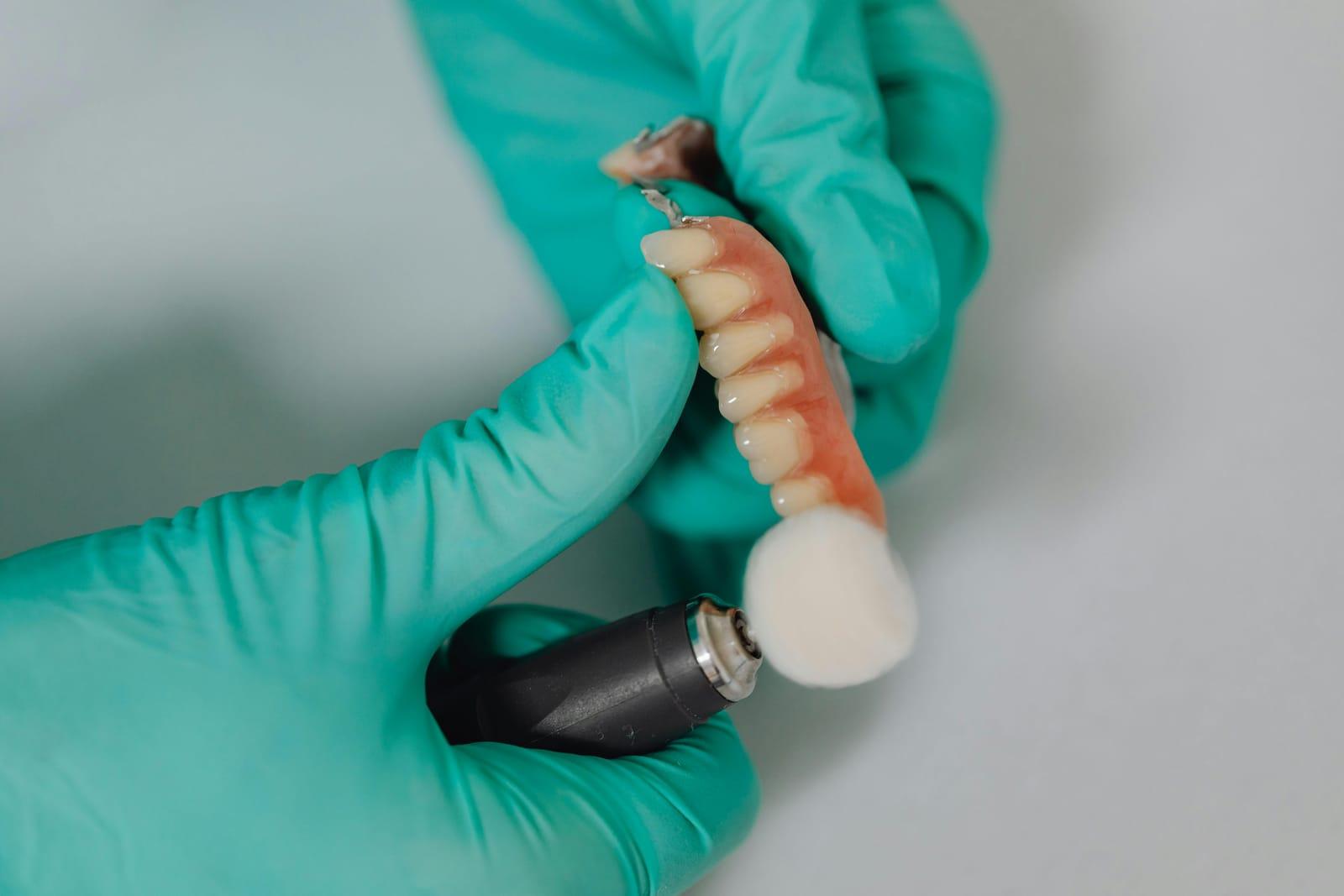
A missing tooth affects more than your smile. Over time, the teeth on either side can drift into the gap, the opposing tooth can shift, and chewing can become uneven. A dental bridge fills that space with a natural-looking replacement tooth that stays fixed in place.
At Smile Innovations of Fairfield, we'll look at your teeth, gums, and bite to help you decide whether a bridge is the right way to replace a missing tooth, or whether another option would serve you better.
Good to know
- Lasts
- Many years with good home care and checkups
- Insurance
- Many PPO plans cover a portion
How a bridge works
A traditional bridge is a single piece made of a replacement tooth (called a pontic) joined to crowns on each end. The crowns fit over the healthy teeth on either side of the gap, which act as anchors and hold the replacement tooth in place.
Bridges can also be supported by dental implants instead of natural teeth. This is often considered when several teeth in a row are missing or when the neighboring teeth are healthy and you'd rather not reshape them. Learn more about dental implant restoration.
Is a bridge right for you?
A bridge may be a good option if:
- You're missing one tooth or a few teeth in a row
- The teeth next to the gap are healthy enough to support crowns, or would benefit from crowns anyway
- Your gums and the bone around the area are healthy
- You prefer a fixed replacement over a removable partial denture
Benefits of replacing a missing tooth
Replacing a missing tooth with a bridge can help you chew more evenly, speak more clearly, and keep your remaining teeth from tipping or drifting into the open space. It also restores the shape of your smile and face, which many patients find gives them more confidence.
Unlike a removable partial denture, a bridge is cemented in place, so there's nothing to take out at night or worry about slipping when you talk or eat.
The treatment process
A bridge usually takes two appointments. At the first, the anchor teeth are numbed and shaped, an impression or scan is taken, and a temporary bridge protects the area. At the second visit, your custom bridge is checked for fit, bite, and color, then cemented in place.
Choosing between a bridge and an implant is one of the most common questions we hear. Your dentist will walk you through the pros and cons of each for your situation.
Caring for your bridge
Because the replacement tooth sits just above the gum, food and plaque can collect underneath it. Your hygienist will show you how to clean under the bridge with a floss threader or interdental brush. Keeping up with regular cleanings and exams helps protect the anchor teeth, which still need care like any other tooth.
Questions
Dental Bridges: frequently asked questions
How long does a dental bridge last?
Will a bridge feel like my natural teeth?
Is a bridge or an implant better?
Does insurance cover bridges?
From our blog
- Dental Implant vs. Bridge: Which Is Better?
Understanding the Pros, Cons, and Key Differences to Help You Choose the Right Tooth Replacement