
Dental Implant vs. Bridge: Which Is Better?

05 Jan 2026
If you’re missing a tooth (or multiple teeth), you’ve probably heard about dental implants and dental bridges as treatment options. Both are effective, widely used solutions—but they work very differently, and the “better” choice depends on your oral health, lifestyle, and long-term goals.
At Smile Innovations of Fairfield, one of the most common questions we hear is:
“Should I get a dental implant or a bridge?”
The answer isn’t one-size-fits-all. In this guide, we’ll break down how each option works, their pros and cons, costs, longevity, and who each treatment is best suited for—so you can make a confident, informed decision.
If you’d like personalized guidance, you can always schedule a consultation with Smile Innovations of Fairfield to determine which option is right for you.
Why Replacing a Missing Tooth Matters
Missing teeth are more than a cosmetic issue. Leaving a gap untreated can lead to:
- Shifting of surrounding teeth
- Bite problems and uneven wear
- Difficulty chewing or speaking
- Jawbone loss over time
- Increased risk of gum disease and cavities
Replacing missing teeth helps protect your oral health, facial structure, and overall confidence.
What Is a Dental Implant?
A dental implant is a permanent tooth replacement that mimics the structure of a natural tooth. It consists of three main parts:
- Implant post – a titanium screw placed into the jawbone
- Abutment – a connector between the implant and crown
- Dental crown – the visible, natural-looking tooth
The implant post integrates with the jawbone through a process called osseointegration, creating a strong and stable foundation.
Benefits of Dental Implants
Dental implants are often considered the gold standard for tooth replacement because they:
- Look and feel like natural teeth
- Preserve jawbone density
- Do not affect neighboring teeth
- Offer excellent stability for chewing
- Can last 20+ years with proper care
Once healed, most patients forget they even have an implant.
Potential Drawbacks of Implants
While implants offer many benefits, they’re not ideal for everyone:
- Higher upfront cost
- Requires sufficient bone density
- Surgical procedure involved
- Longer treatment timeline (often several months)
What Is a Dental Bridge?
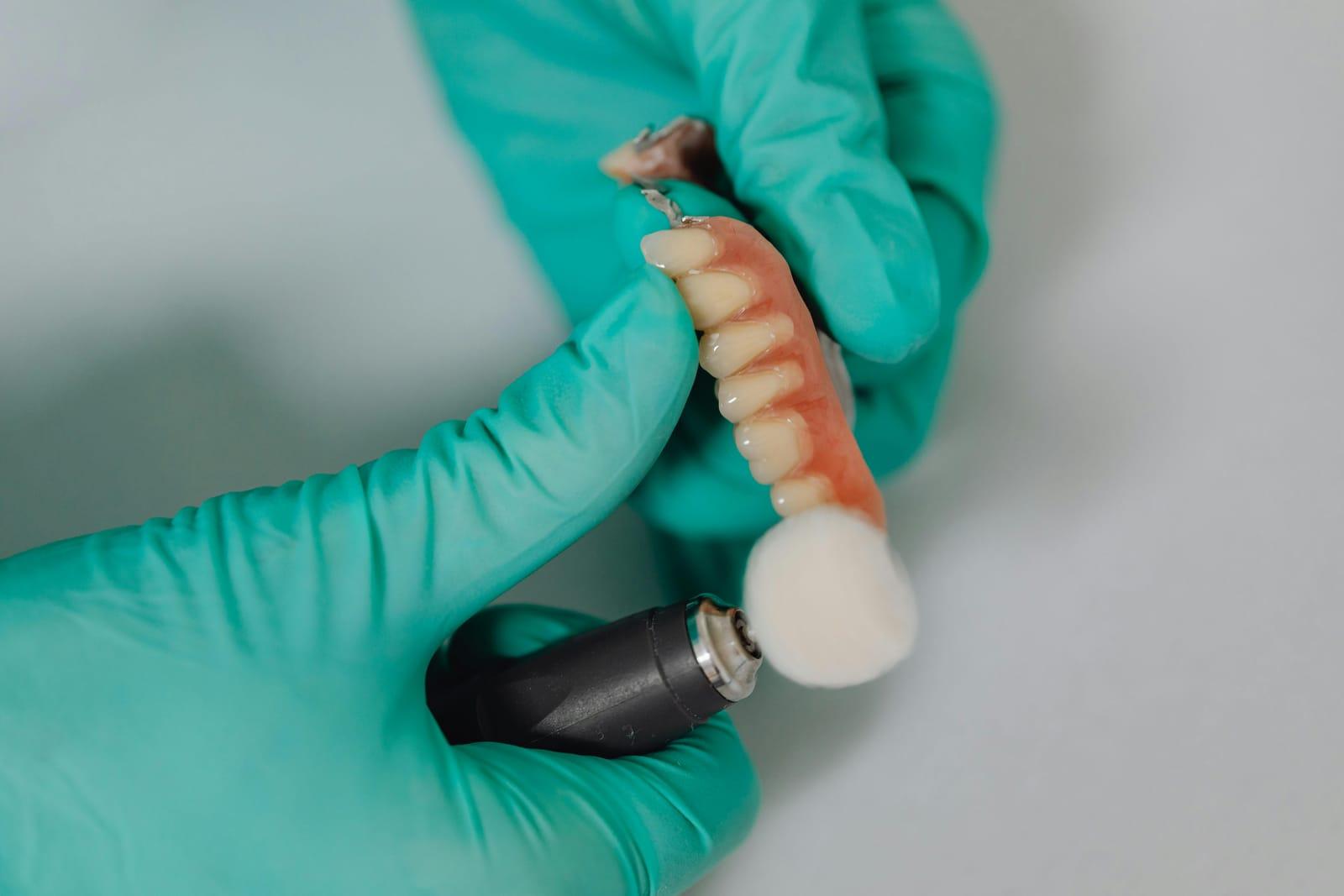
A dental bridge replaces one or more missing teeth by “bridging” the gap between neighboring teeth. The bridge is supported by crowns placed on the adjacent natural teeth (called abutment teeth).
There are several types of bridges, but the most common is a traditional fixed bridge.
Benefits of Dental Bridges
Dental bridges are a popular option because they:
- Restore appearance and function quickly
- Cost less upfront than implants
- Do not require surgery
- Can be completed in just a few weeks
For patients looking for a faster solution, bridges can be very appealing.
Potential Drawbacks of Bridges
Bridges also come with limitations:
- Adjacent healthy teeth must be filed down
- Do not prevent jawbone loss under the missing tooth
- Shorter lifespan than implants
- Increased risk of decay around supporting teeth
Dental Implant vs. Bridge: Key Differences
Longevity
- Dental Implants: Often last 20–30 years or longer
- Dental Bridges: Typically last 10–15 years
Implants generally win when it comes to long-term durability.
Impact on Surrounding Teeth
- Implants: Stand alone and do not affect nearby teeth
- Bridges: Require reshaping of adjacent teeth
Preserving healthy tooth structure is a major advantage of implants.
Bone Health
- Implants: Stimulate the jawbone and prevent bone loss
- Bridges: Do not address bone loss beneath the missing tooth
Bone preservation is especially important for long-term oral health and facial structure.
Treatment Time
- Implants: Several months (including healing time)
- Bridges: Usually completed in 2–3 visits
If time is a priority, bridges are typically faster.
Cost Considerations
- Implants: Higher upfront cost, lower long-term replacement costs
- Bridges: Lower initial cost, but may require replacement later
Over time, implants can actually be more cost-effective.
Which Option Looks More Natural?
Both modern implants and bridges are designed to look natural. However:
- Implants tend to provide a more realistic feel and appearance
- Bridges may show slight differences at the gumline over time
A skilled dentist can make either option blend beautifully with your smile.
Who Is a Good Candidate for a Dental Implant?
You may be a good candidate for implants if you:
- Have good overall oral health
- Have sufficient jawbone (or are open to bone grafting)
- Do not smoke or are willing to quit during healing
- Want a long-term, low-maintenance solution
Age alone is not a limiting factor—many adults well into their 70s and 80s receive implants successfully.
Who Is a Good Candidate for a Dental Bridge?
A dental bridge may be better if you:
- Want a faster solution
- Have neighboring teeth that already need crowns
- Prefer a non-surgical option
- Are not a candidate for implants due to bone loss or medical conditions
What About Multiple Missing Teeth?
For multiple missing teeth, options may include:
- Multiple implants
- Implant-supported bridges
- Traditional bridges
This is where a professional evaluation is especially important. The best solution depends on spacing, bone health, and bite alignment.
How Do You Decide Which Is Better?
There is no universally “better” option—only what’s better for you.
Key factors include:
- Your oral and overall health
- Bone density
- Budget and insurance coverage
- Timeline preferences
- Long-term goals
That’s why an in-person consultation is essential.
Schedule a Tooth Replacement Consultation in Fairfield
Choosing between a dental implant and a bridge is a big decision—but you don’t have to make it alone. At Smile Innovations of Fairfield, we take the time to evaluate your unique needs, explain your options clearly, and recommend the solution that best supports your long-term oral health.
👉 Schedule a consultation with Smile Innovations of Fairfield today to find out whether a dental implant or bridge is right for you.
A complete, confident smile starts with the right plan—and we’re here to help every step of the way.

About the author
Dr. Kevin Barajas, DDS
Dr. Barajas received his dental degree from Columbia University College of Dental Medicine in NYC. He then continued postgraduate training at New York's Mount Sinai Hospital, where he discovered a passion for, and focused on, reconstructive and cosmetic dentistry.
Read Dr. Kevin Barajas's full bio →Popular Articles
Sedation Dentistry: What It Is, How It Works, and Who It's For
Dr. Kevin Barajas
How Often Should I Get a Dental Cleaning? A Complete Guide
Dr. Kevin Barajas
Related Articles
Sedation Dentistry: What It Is, How It Works, and Who It's For
Relax, Feel Comfortable, and Get the Dental Care You Need—Without the Stress
How Often Should I Get a Dental Cleaning? A Complete Guide
It Depends On Your Oral Health But The Answer May Surprise You!