
How Often Should I Get a Dental Cleaning? A Complete Guide

13 Dec 2025
If you’ve ever wondered how often you really need a dental cleaning, you’re not alone. It’s one of the most common questions dentists hear, and the answer isn’t always as simple as “twice a year.” While that guideline works for many people, your individual oral health, lifestyle, and medical history all play a role.
If you’re due, or overdue for a professional cleaning, you can schedule a dental cleaning with Smile Innovations of Fairfield to get personalized care and recommendations tailored specifically to you.
What Is a Dental Cleaning?
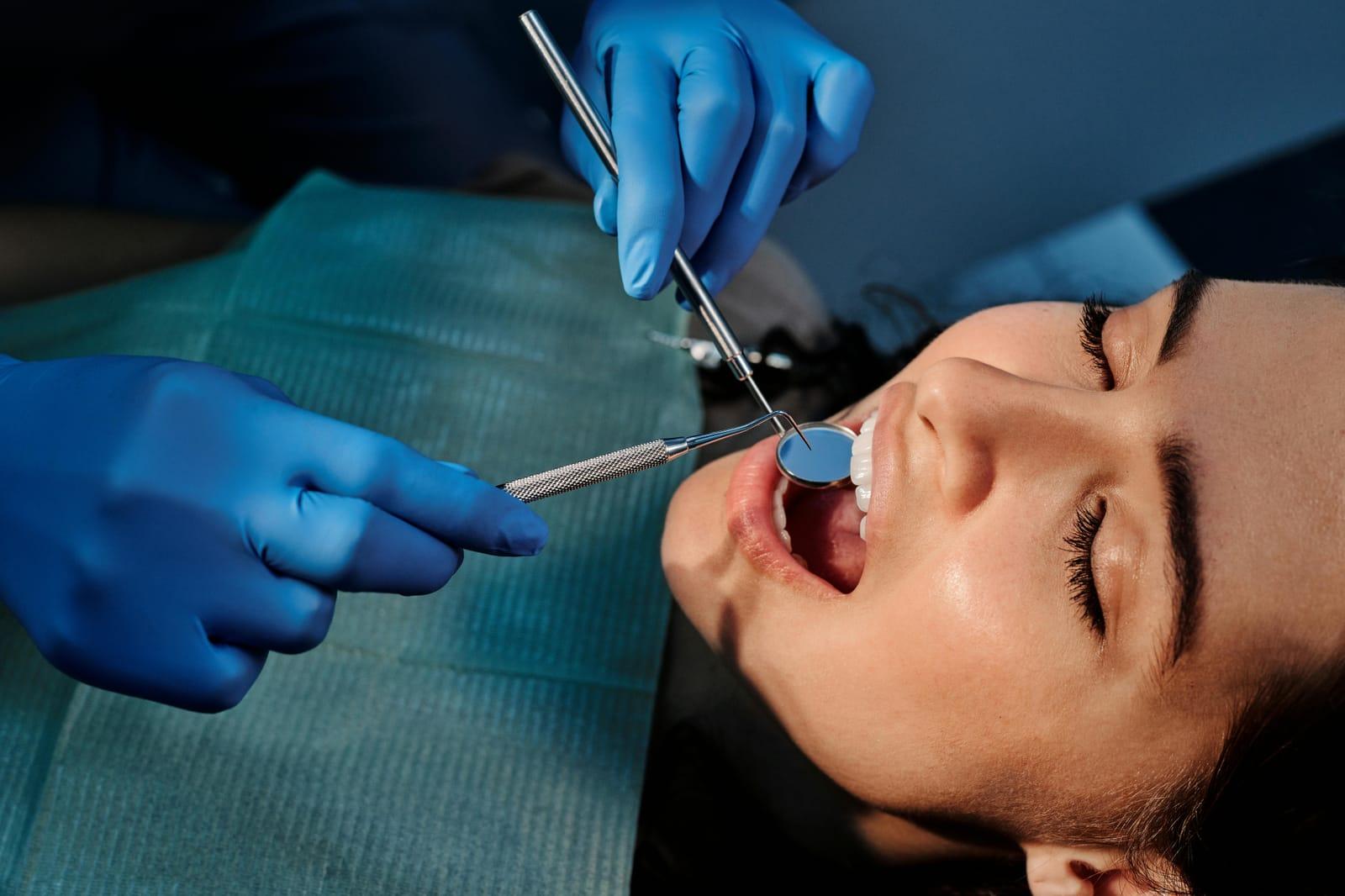
A dental cleaning, also known as prophylaxis, is a professional procedure performed by a dental hygienist or dentist to remove:
- Plaque (a sticky film of bacteria)
- Tartar (hardened plaque that brushing can’t remove)
- Surface stains from food, drinks, and tobacco
During a typical cleaning, the hygienist will also polish your teeth and floss between them, leaving your mouth feeling fresh and smooth. Cleanings are not only about appearance—they play a crucial role in preventing cavities, gum disease, and even tooth loss.
The General Rule: Every 6 Months
For most healthy adults, a dental cleaning every six months is the standard recommendation. This schedule allows dentists to:
- Remove plaque and tartar buildup before it causes damage
- Catch cavities early
- Monitor gum health
- Identify potential issues before they become expensive or painful problems
Six-month cleanings strike a balance between prevention and practicality for people with good oral hygiene and no major risk factors.
Why Some People Need Cleanings More Often
While twice a year works for many, some patients benefit from more frequent cleanings, such as every 3–4 months. You may fall into this category if you have any of the following conditions:
1. Gum Disease (Gingivitis or Periodontitis)
If you’ve been diagnosed with gum disease, bacteria can accumulate below the gumline much faster. More frequent cleanings help control infection and prevent further bone loss.
2. History of Cavities
Patients who frequently develop cavities may need additional cleanings to reduce bacterial buildup and protect enamel.
3. Smoking or Tobacco Use
Tobacco increases plaque, tartar, and staining while also raising the risk of gum disease and oral cancer.
4. Diabetes or Certain Medical Conditions
Medical conditions that weaken the immune system can make it harder for your body to fight oral infections, requiring closer dental monitoring.
5. Pregnancy
Hormonal changes during pregnancy can increase gum inflammation, making more frequent cleanings beneficial.
Can You Go Longer Than 6 Months?
Some people with excellent oral hygiene, no history of gum disease, and low cavity risk may safely stretch cleanings to once per year. However, this should only be done under a dentist’s guidance.
Even if your teeth feel fine, plaque can harden into tartar in as little as 24–72 hours, and tartar cannot be removed with brushing alone. Skipping regular cleanings increases the risk of silent problems developing between visits.
What Happens If You Skip Dental Cleanings?
Skipping cleanings doesn’t just affect your smile—it can impact your overall health.
Potential consequences include:
- Increased cavities
- Gum inflammation and bleeding
- Progression to periodontal disease
- Persistent bad breath
- Tooth sensitivity
- Tooth loss in severe cases
Research has also linked poor oral health to conditions such as heart disease, diabetes complications, and respiratory infections.
Dental Cleanings for Children
Children typically follow the same six-month schedule, but their needs can vary depending on:
- Diet (especially sugar intake)
- Orthodontic appliances like braces
- Oral hygiene habits
Regular cleanings help children build healthy routines early and allow dentists to monitor tooth development and alignment.
What Happens During a Professional Cleaning?
A standard dental cleaning and exam appointment usually includes:
- Oral examination to check gums, teeth, and existing restorations
- Plaque and tartar removal using specialized tools
- Professional polishing to remove surface stains
- Flossing to clean between teeth
- Personalized oral hygiene advice
Some visits may also include dental X-rays or fluoride treatment, depending on your needs.
Schedule Your Dental Cleaning in Fairfield
Regular dental cleanings are one of the easiest and most effective ways to protect your smile for life. Whether you’re due for your routine visit or need more frequent care, Smile Innovations of Fairfield is here to help.
👉 Schedule your dental cleaning with Smile Innovations of Fairfield today and take a proactive step toward healthier teeth, fresher breath, and long-term oral health.
We look forward to see you!

About the author
Dr. Kevin Barajas, DDS
Dr. Barajas received his dental degree from Columbia University College of Dental Medicine in NYC. He then continued postgraduate training at New York's Mount Sinai Hospital, where he discovered a passion for, and focused on, reconstructive and cosmetic dentistry.
Read Dr. Kevin Barajas's full bio →Popular Articles
Sedation Dentistry: What It Is, How It Works, and Who It's For
Dr. Kevin Barajas
Dental Implant vs. Bridge: Which Is Better?
Dr. Kevin Barajas
Related Articles
Sedation Dentistry: What It Is, How It Works, and Who It's For
Relax, Feel Comfortable, and Get the Dental Care You Need—Without the Stress
Dental Implant vs. Bridge: Which Is Better?
Understanding the Pros, Cons, and Key Differences to Help You Choose the Right Tooth Replacement